No doubt, gut health is an increasingly popular topic of conversation. After all, research repeatedly shows that the health of our gut microbiome is directly related to our overall physical and mental well-being. But what are the best superfoods for gut health?
From bone broth to chicory root, there are plenty of tasty superfoods that pack powerful benefits! Let’s take a look!
Table of Contents
Best Superfoods for Gut Health
Did you know that every time we eat, we’re not just feeding ourselves, but also the trillions of gut bugs living in our body? It’s true!
And while you may have heard about trendy diets and quick cleanses that promise to improve gut health, the reality is that the best approach to a healthy gut is a long-term one.
Wondering what to eat? Let’s go!
1. Flax Seeds
By consuming flax seed regularly, you can improve your gut health by increasing mucus production. According to research, flaxseed can also reduce inflammation in your gut.
One of the reasons why flax seed is so beneficial is because it contains both soluble and insoluble fiber. Insoluble fiber can help keep your gut healthy, prevent constipation and promote regular bowel movements.
Although these seeds are edible, their hull is tough, so it’s best to soak them before chowing down to improve their absorption. But if you’re short on time, you can also purchase flaxseed that’s already ground up.
So how can you incorporate flaxseed into your diet? You can add it to smoothies, yogurt, cereal, cookies, breads, and even rolls.
My favorite is FLACKERS Flax Seed Crackers – check ‘em out on Amazon!

2. Chicory Root (Best Coffee Substitute!)
Have you heard of chicory root? Not only is it high in fiber and low in calories and fat, but it also contains beneficial nutrients like calcium, potassium, folate, and phosphorus.
The inulin in chicory root acts as a prebiotic fiber, promoting gut health. And that’s not all – chicory root also contains polyphenols that protect your cells and support your gut’s beneficial bacteria.
Plus, if you’re a coffee lover, chicory root is an ideal substitute!
Roasted and ground, it has an earthy flavor that closely resembles instant coffee. Unlike regular coffee, it’s naturally caffeine-free, so it’s gentler on your stomach.
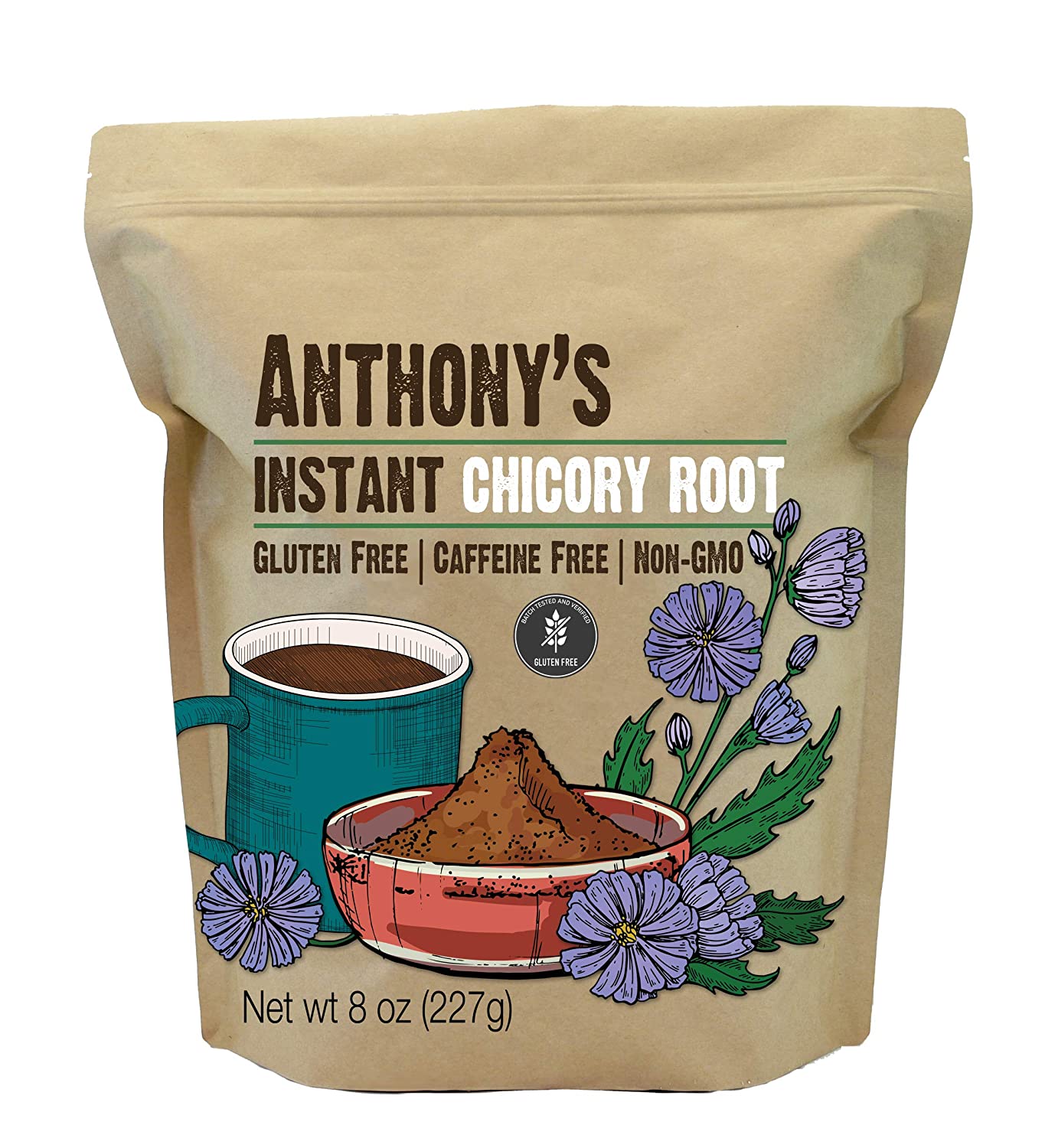
I love Anthony’s Instant Chicory Root Coffee…. Check it out on Amazon!
3. Apple Cider Vinegar
This tart and tangy superfood is all the rage for its numerous health benefits, including improved digestion and a boost in immunity.
How, you might ask? Well, ACV is packed with enzymes and healthy bacteria that help improve the gut microbiome – the community of beneficial microorganisms that call your gut home.
Plus, it contains acetic acid, which can help regulate blood sugar levels, and antioxidants that fight against harmful free radicals.
So next time you’re feeling a little sluggish, reach for a shot of apple cider vinegar and give your gut the love it deserves.
Pro tip: Mix one teaspoon of ACV with water to protect your teeth from it’s acidity!

Bragg’s Organic is the BEST and cleanest ACV on the market. Check it out!
4. Coconut Oil & Healthy Fats
Are there actually fats that are the best for you and your gut? YES! And ideally, you want to focus on anti-inflammatory fats, like saturated fats (found in coconut oil, ghee, and grass-fed butter), monounsaturated fatty acids (found in olive oil, avocado, nuts, and olives), and omega-3’s (found in fatty fish, chia, flaxseed, and walnuts).
On the flip side, you should try to avoid polyunsaturated fats (found in large amounts in nuts, seeds, peanuts, and meat) and trans fats (found in canola oil, packaged foods, and Crisco)—these fats can contribute to inflammation and harmful bacteria in your digestive system.
Of all the healthy fats out there, coconut oil is especially noteworthy. This superfood contains lauric acid, which has powerful anti-fungal, anti-bacterial, and anti-viral properties. That means it can help fend off harmful yeast and bacteria in your gut.

This coconut oil is the ultimate cheat – tastes like creamy BUTTER while providing all the amazing benefits packed in coconut oil! I’ve only found it on Amazon – check it out!
5. Leeks
Leeks, part of the onion and garlic family, made their way from the Middle East and ancient Egypt to be a beloved veggie across Europe.
And with good reason, with up to 16% of inulin, a prebiotic fiber, leeks support a healthy gut. Plus, leeks have high polyphenol content that stabilizes free radicals, preventing oxidative damage and stress.
If you’re not a fan of leeks, don’t worry, you haven’t had them the right way! Try a leek and potato soup to stay warm this winter.
Want an even more prebiotic meal? Cool the potatoes beforehand to increase the resistant starches!

You can find them at your local grocery store – I love Sprouts & Whole Foods for product!
6. Plantains (green ones!)
Did you know that plantains are actually large, green cooking bananas? While they aren’t as sweet as their fruitier counterparts, they pack a nutritional punch.
What’s so great about green plantains and unripe bananas? They are loaded with prebiotic-resistant starch that feeds beneficial bacteria in your gut, helping to fight off inflammation and maintain a healthy gut lining.
Plus, plantains are extremely versatile and can be simmered, mashed, roasted, or fried – their sturdy structure means they won’t lose their shape.
Try adding them to your favorite spicy soups and stews for an added twist that’s both nutritious and delicious.
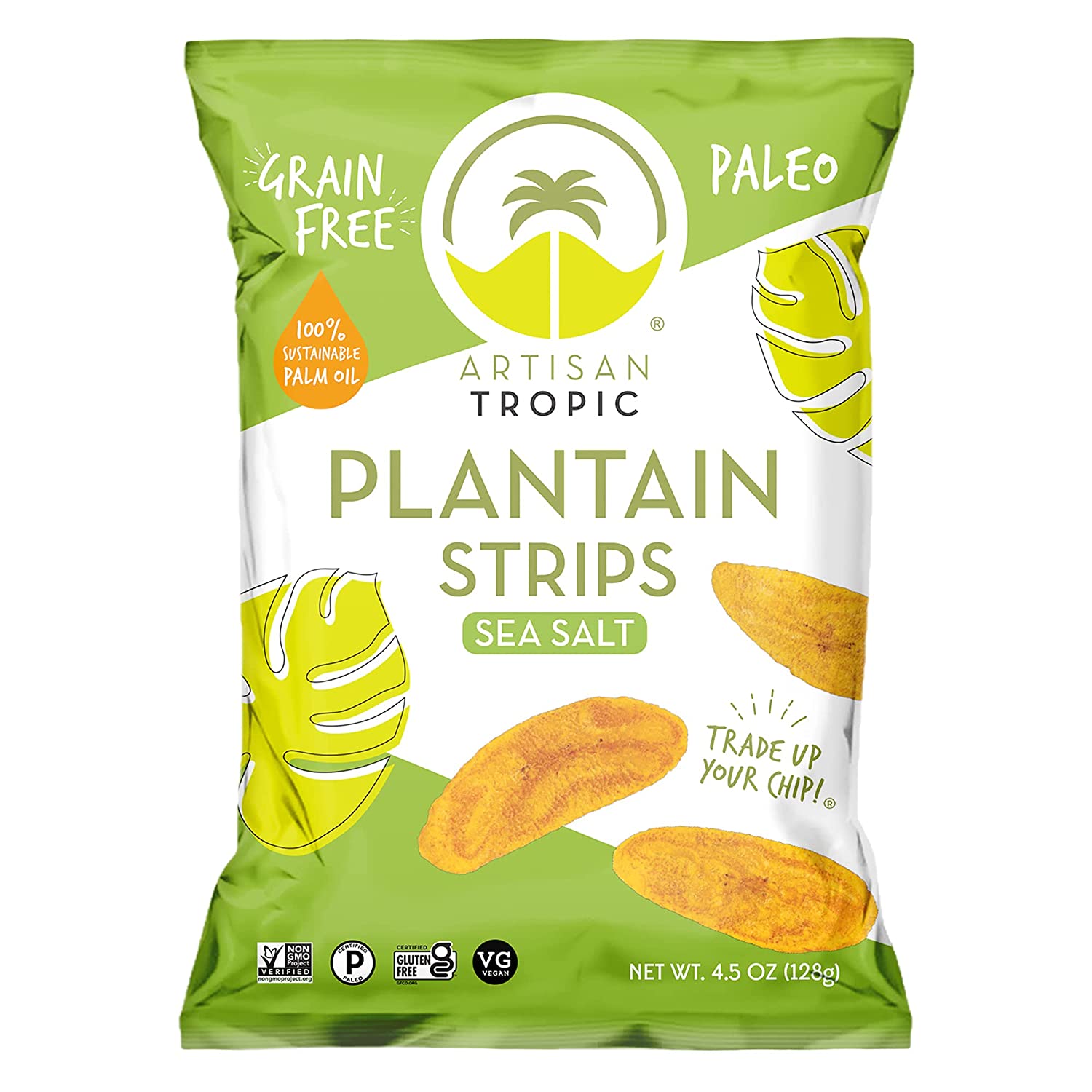
While it’s not as healthy as the real deal, I do love these Plantain Chips from Artisan Tropic. Available on Amazon!
7. Asparagus
Asparagus – the vibrant green (sometimes purple) veggie with noble spears can be expensive, but its nutritional value is worth the price. Plus, it’s one of the lowest-carb vegetables if you’re into that (like me!)
Asparagus contains inulin, a type of prebiotic fiber that promotes gut health, and studies have shown that inulin can increase the abundance of Akkermansia muciniphila, a beneficial microbe found in lean individuals.
Asparagus can be boiled, roasted, grilled, or steamed and pairs well with many different dishes.
One strange fact is that it can add pungency to your urine after you eat, yet it’s still wildly popular – and with good reason!

8. Fermented Foods
Did you know that fermented foods have the potential to be gut superheroes? That’s right, these probiotic-packed foods have a unique ability to boost the health of your gut and provide a variety of benefits for your overall well-being.
When we consume fermented foods, they introduce beneficial bacteria into our digestive system, which helps to improve the balance of good bacteria in the gut and support overall digestive health.
Not only that, but fermented foods and those high in butyrate are also great for boosting the immune system and reducing inflammation throughout the body.
So next time you’re looking for a gut-friendly food to include in your diet, look no further than your local grocery store’s fermented aisle and reach for some kimchi or pickles!

9. Lemons
Lemons have finally claimed their spot in the superhero hall of fame! Not only are they a zesty addition to your favorite summer sip, but they’re also a fantastic source of gut-boosting nutrients.
First of all, lemons are jam-packed with vitamin C, which helps support the immune system and increase the absorption of iron.
But here’s the real kicker: lemons contain a special type of fiber called pectin, which acts as a prebiotic to promote the growth of healthy gut bacteria.
So why not start your morning off with a glass of warm lemon water?

10. Leafy Greens
Did you know that eating greens, like spinach and kale, can give your digestive system a boost? That’s because they contain a special type of fiber called insoluble fiber, which helps move waste and toxins out of your body.
Don’t let the name fool you, this type of fiber is anything but difficult for your body to digest!
And the best part? These leafy heroes can easily be thrown into any dish, from smoothies to salads and beyond.
So go ahead, embrace the dark side of greens! 😉

11. Bone Broth
Bone broth has been sweeping the wellness world as the ultimate gut-healthy superfood. But what makes it so special? Well, for starters, bone broth is packed with collagen, gelatin, and amino acids that can help give your gut a boost.
These nutrients work together to repair the lining of your gut, reduce inflammation, and aid in digestion.
Plus, bone broth is chock full of minerals like calcium, magnesium, and phosphorus, which can help strengthen your bones and keep your body functioning at its best.
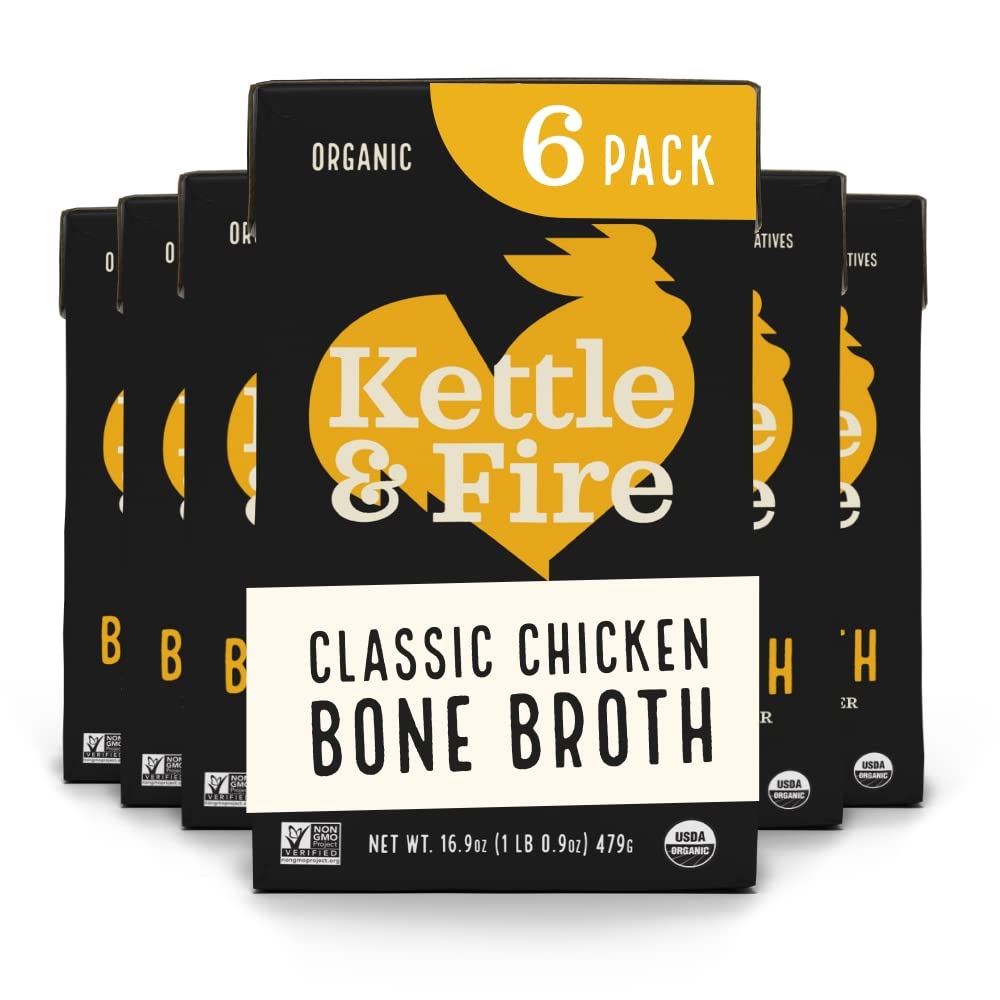
I love Kettle & Fire Bone Broth – and it comes in many tummy-soothing flavors, such as turmeric! Check it out on Amazon
The Wrap – Best Superfoods for Gut Health
Boosting gut health doesn’t have to be an intimidating or frustrating experience.
Start small by incorporating more probiotic-rich food items into your current routine and continue to make swaps.
Making my gut health a priority was the turning point to healing chronic illness.
Your gut is essential for keeping your entire mind & body firing on all cylinders — it’s time to make sure you’re giving it the attention it needs.
FAQ: 11 Best Superfoods for Gut Health
Q: What are superfoods for gut health?
A: Superfoods for gut health are nutrient-dense foods that provide essential vitamins, minerals, and antioxidants while promoting a healthy gut microbiome. These foods can aid digestion, improve nutrient absorption, and support overall gut health.
Q: Why is gut health important?
A: Gut health plays a crucial role in our overall well-being. A healthy gut microbiome promotes proper digestion, nutrient absorption, immune function, and even mental health. It can also help prevent gastrointestinal issues such as bloating, constipation, and diarrhea.
Q: What factors can negatively affect gut health?
A: Several factors can impact gut health, including a poor diet high in processed foods, excessive alcohol consumption, chronic stress, lack of sleep, and frequent use of antibiotics. These factors can disrupt the balance of good and bad bacteria in the gut.
Q: How can superfoods improve gut health?
A: Superfoods are rich in fiber, antioxidants, and beneficial compounds that can nourish and support the growth of good bacteria in the gut. They can also reduce inflammation, strengthen the gut lining, and promote regular bowel movements, leading to improved overall gut health.
Consider supporting my work!
